Humanoid robots, artificial intelligence and emerging technologies are advancing amid spectacular demonstrations, ambitious figures and sweeping promises. In Cutting Edge, we go beyond the headlines to explore what has been demonstrated, where the limitations lie and how each innovation could affect our lives and work.
OpenAI, Google, Anthropic, xAI, DeepSeek, Alibaba and Meta are competing with increasingly advanced models. But what really sets their artificial intelligence systems apart, and how can we choose the right one without chasing every new release?
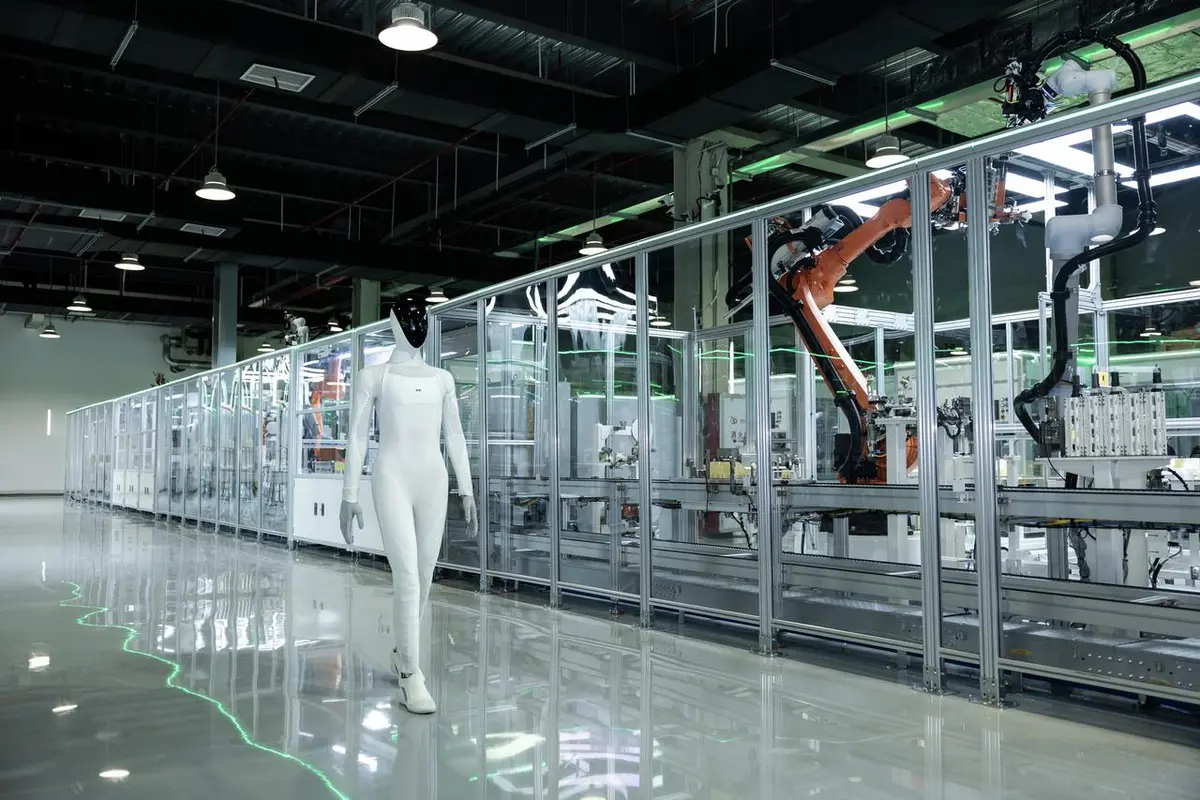
XPENG has brought a manufacturing line online for its IRON humanoid. That moves the project closer to its planned 2027 commercialization, but the latest material also changes several specifications announced in 2025.
1X is offering NEO as a home humanoid with a stated US$20,000 purchase price or a monthly subscription. The harder question is not whether it can move through a room, but how much help it will need to work safely and usefully there.
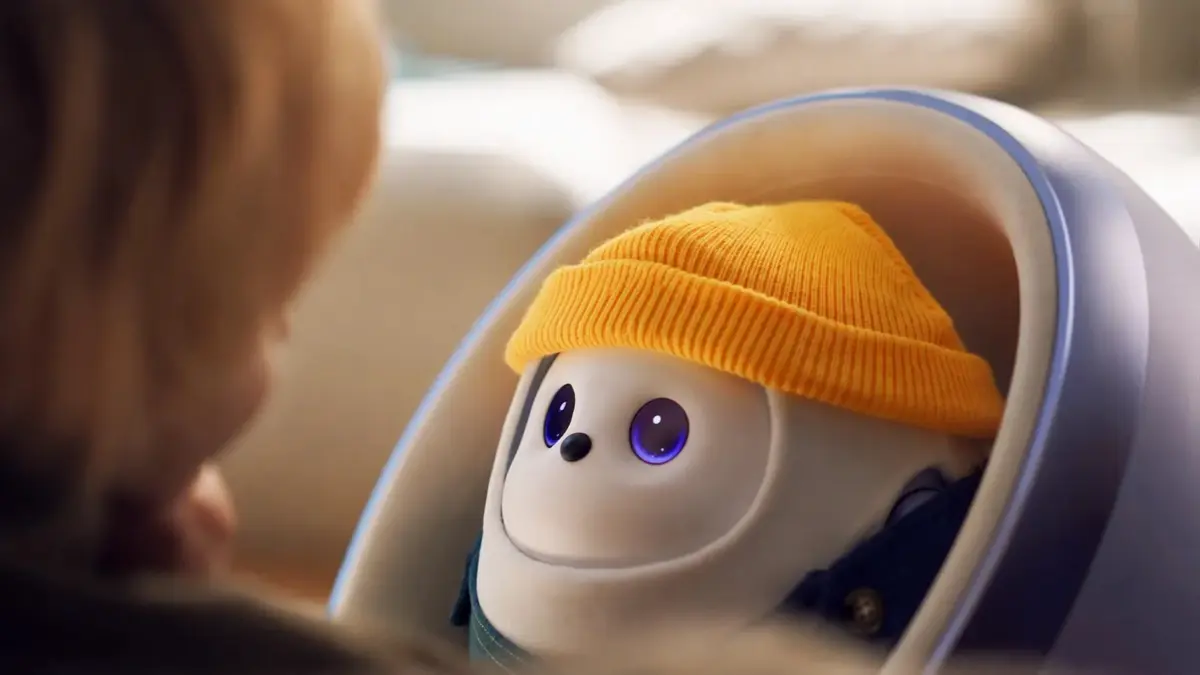
TCL’s AiMe has moved from a modular CES concept to an AI companion offered in China. The important question is not only what it can say or see, but whether a family robot can support curiosity without pretending to replace human relationships.
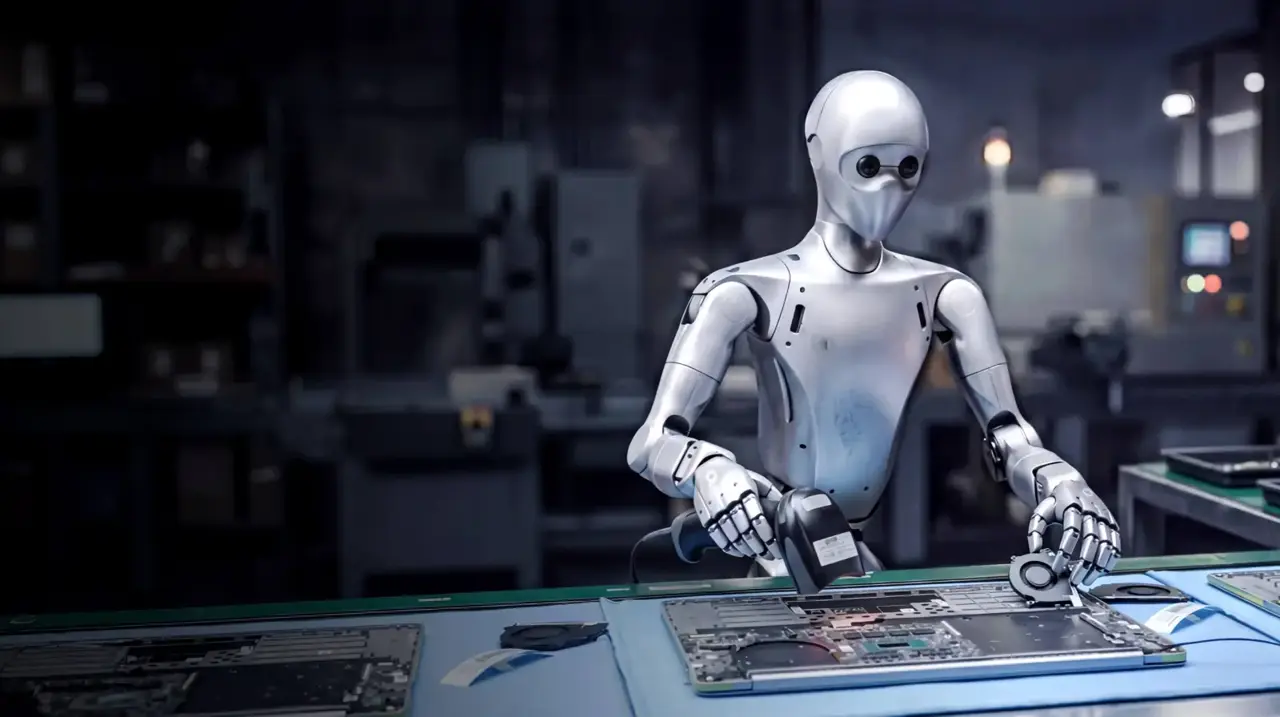
Unitree, NVIDIA and Sharpa combine a full-size humanoid, tactile hands and physical-AI tools in H2 Plus. The result is meant to help researchers teach robots new skills—not to deliver a ready-made autonomous worker.
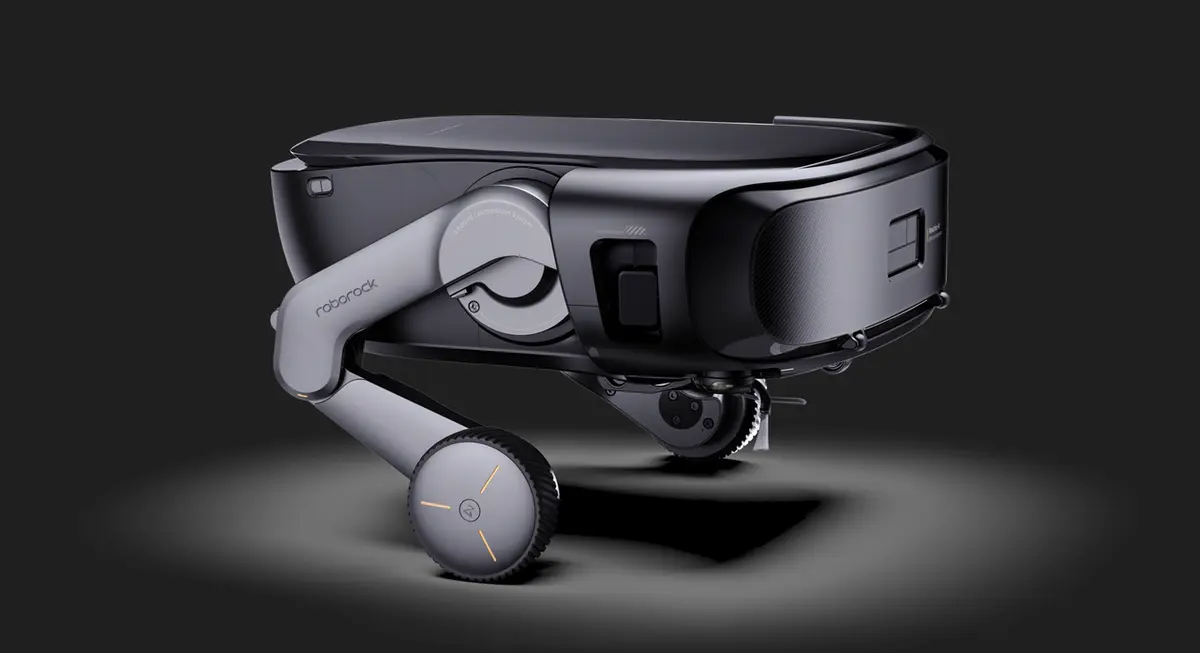
Saros Rover’s articulated wheels address one of robotic cleaning’s most persistent obstacles: stairs. Its CES 2026 demonstration was promising, but it is still unclear how close it is to cleaning a multi-level home without help.